As Monday’s National Championship marks the end of the 2025-2026 College Football Playoff, the second year of the twelve-team field has come to a close. While the expansion from four teams to twelve was supposed to create opportunities for more teams to win it all, the opposite effect has seemed to occur, allowing for more teams to believe they were qualified for a spot within the field of sixteen. Because of this, leadership within the Big Ten and Southeastern Conference has called for a swift expansion to sixteen or even twenty-four-team playoffs. Within a twelve-year span, college football could potentially see an expansion when compared to the College Football Playoff’s inception in 2014. No matter what decision the College Football Playoff Committee chooses, they have to make a decision fast, as the deadline for expansion is this Friday, January 23, 2026. Will the urge of greed push the playoffs to new heights, or will the executives see the never-ending loop expansion brings?
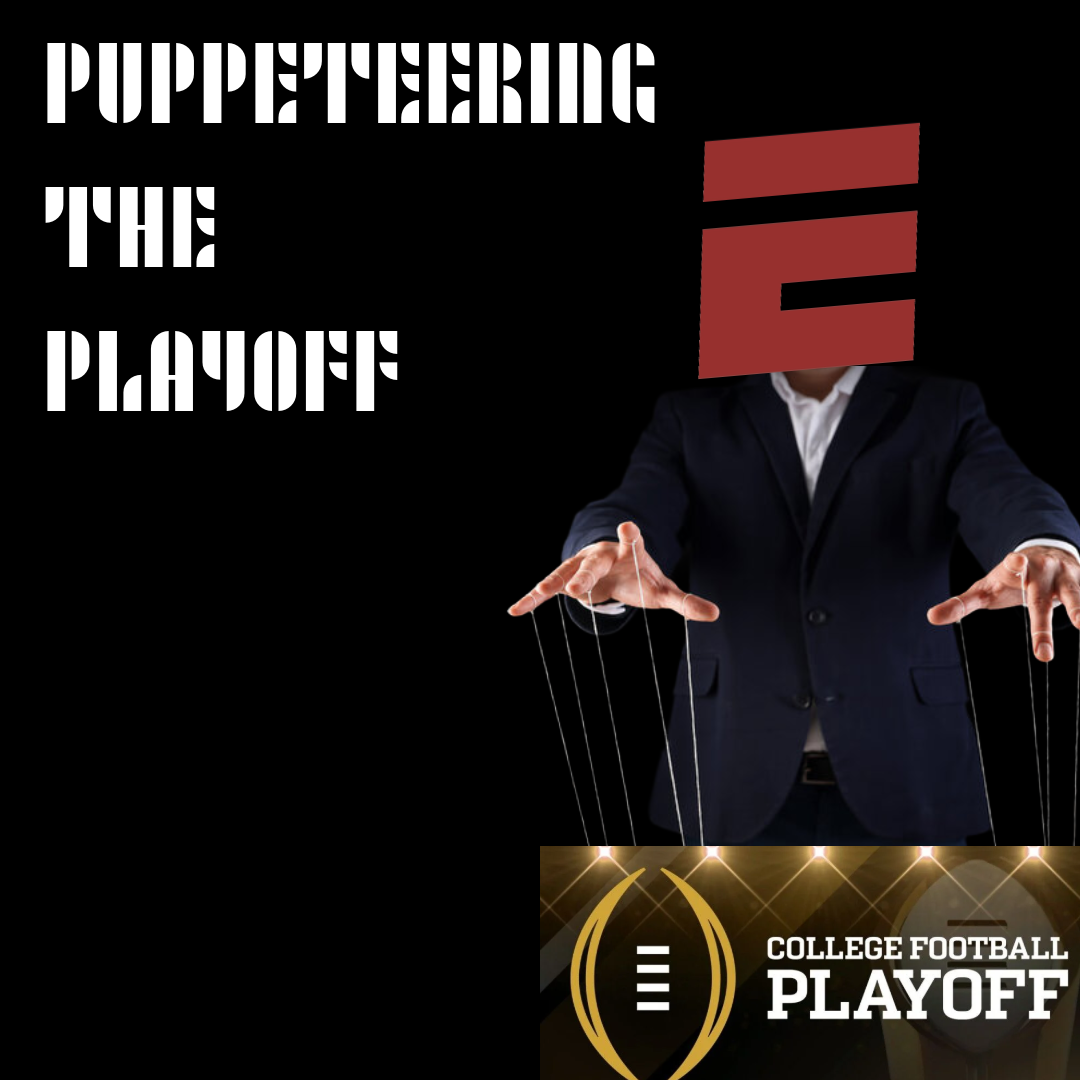
The College Football Playoff is unique in that it is the only collegiate postseason to not have oversight from the NCAA. Why is this? The college football bowl season had precluded many of the NCAA tournaments they run, allowing them to grandfather in a history of separation from the NCAA when referring to structure and revenue streams, per the Oklahoma Bar Association. Along with this, a 1984 Supreme Court ruling banned the NCAA from controlling television revenues and pushed the media rights onto the individual conferences or independents (Notre Dame) to decide. This decision allowed for certain television providers to “sign” conferences for their Saturday slates. While the independence from oversight seems positive, sports entertainment giant ESPN took this power and created the mess we currently have today, the modern college football playoff. Since ESPN pays 1.3 billion dollars per season for the rights to the playoffs, expansion only drives guaranteed revenue since they are the sole provider of the playoff games they format, per Heather Dinich of ESPN. Because of the hefty amount ESPN pays for the CFP’s media rights, they control the format, inventory, and scheduling of the entire bracket.
The deal for ESPN’s control of the College Football Playoff rights might seem lopsided, but power conferences and ESPN rely on each other for mutual success. While ESPN needs the SEC and Big Ten brands to bring in known programs for revenue streams, the conferences need ESPN for recognition and exposure. This mutual agreement is what differentiates the CFP from the NCAA championships, where not all conference champions receive a bid into the “Big Dance”. Since the SEC and Big Ten are the primary voices to ESPN in determining the playoff, their respective schools reap the benefits, as eight of the twelve teams in the 2025 field belong to these respective conferences. Beyond this, SEC programs like Vanderbilt and Texas complained about their “snubbed” position, inflaming the expansion talks further.
So, back to the deadline at hand, ESPN had originally set the decision to be made on December 1, 2025, but pushed it back to this coming Friday because internal conflicts between the two powers, the SEC and Big Ten, continue. The expansion would only bring in more guaranteed profits for ESPN, while allowing for more SEC and Big Ten schools to gain the spotlight they crave. If a decision is made, the effects will take place this next season, with quick turnaround and planning to make it happen. Overall, the expansion of the college football playoff might seem like a morally correct decision, allowing for more schools to “make a run”, but in reality, ESPN is the master puppeteer controlling the narrative to benefit from the current college football landscape.