Every four years, the world’s best winter athletes come together in one region to celebrate sport, competition, grit, and patriotism for their country as the Winter Olympics commence. This year’s games are held in Milan, Italy, and the Alps Mountain Range has shaped a serene landscape for events like alpine skiing, snowboarding, and the luge, but the attention has recently shifted indoors. The sport of curling has become a recent phenomenon, especially recently. In the 2018 Winter Olympic Games in PyeongChang, South Korea, a rag-tag group of Minnesotans and Wisconsinites dominated the ice, bringing home the gold and American attention to the sport. This rising, obscure sport looks simple enough to avoid scandal and controversy, but the 2026 Winter Olympic Curling tournament has made a multitude of headlines as a string of foul play is starting to unfold.
For most viewers who casually tune in to watch curling, they do not fully understand what is happening on their screens. Curling is actually very simple, as it is essentially shuffleboard on ice, with a larger-scale playing field and target, called the “House”. This target consists of two outer rings, with the goal being to hit the center, the “button”. One player “delivers” the granite rock towards the button, while two teammates vigorously “sweep” the ice ahead of it to change the speed and direction of the delivery. This happens as the last teammate, the “skip”, stands on the other end of the ice and acts as a target for the sweepers. This information probably means nothing to most, but the sanctity of how these actions happen has recently been brought into question.
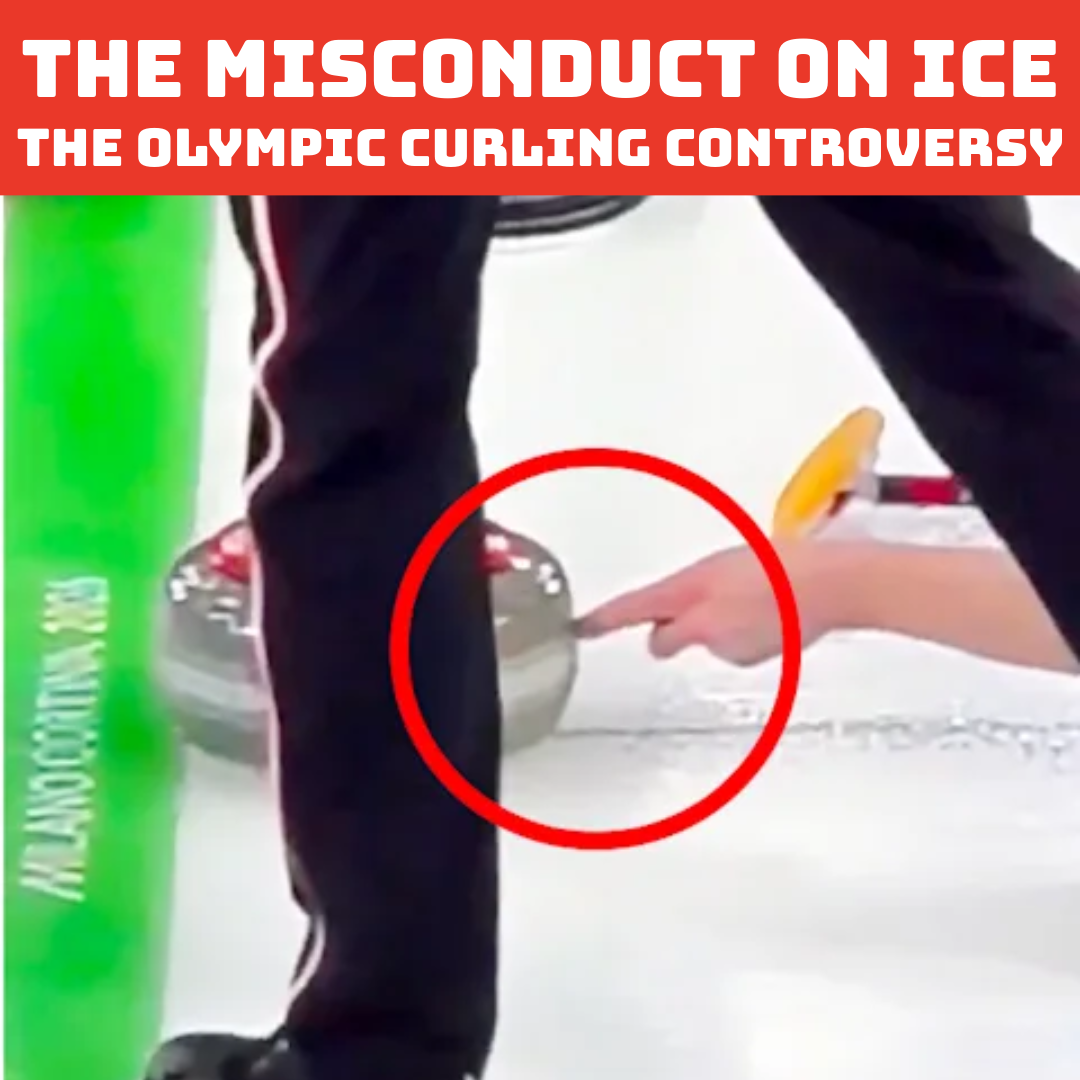
During a match between Sweden and Canada, Swedish players began to notice a handsy approach to Canada’s delivery of the block, as their deliverer was aiming the rock with his index finger, rather than on the block’s handle, where the controlling is supposed to be. This accusation led to a verbal altercation between the two countries, but Canada would come out victorious, winning the match eight to six. This was not it, however, as in Canada’s next match, they got the same accusations from Team Switzerland, per Peter Botte of the New York Post. While these accusations have made headlines within the sport last week, they have unfolded a rules challenge that could change how curling is officiated.
On Sunday, February 15, Great Britain was flagged for wrongdoing under the same issue, where the World Curling Organization called for referees to be required to monitor all games taking place at one time, per the AP. The odd thing is, however, the World Curling instantly repealed this decision to make them available upon request, but will not provide them directly. This might be a band-aid on a bullet hole, but a permanent solution must be reached. Olympic curlers have tossed around the idea of instant replay and an appeals process to ensure the rules of the game are followed properly. If this solution had been proposed ten years ago, the response would have been laughable, but curling’s growing popularity within the Olympic schedule could actually make this a reality. Overall, the 2026 Winter Olympic Curling Tournament will continue to sweep, and the misconduct on ice will continue to shape the tournament’s results.