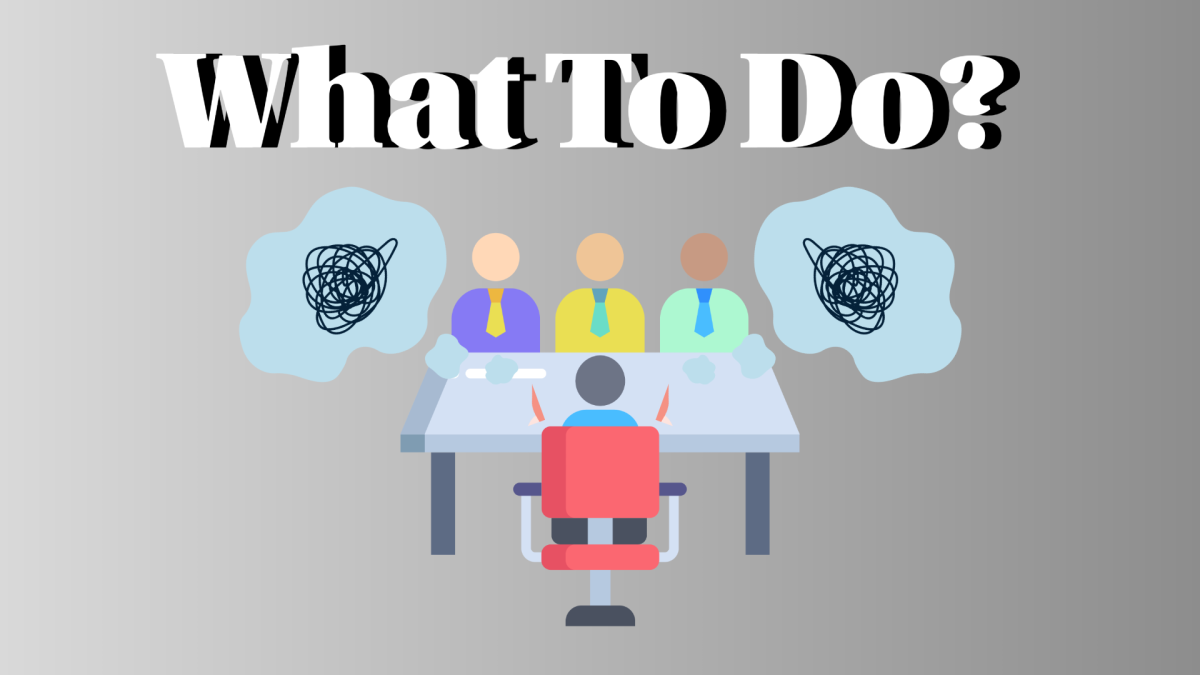
Imagine sitting in a room full of unfamiliar faces, being interrogated and judged by every move. Hands feeling clammy. The body is jittery. The mind goes blank. This is what many people experience on their first interview. Many first-time interviewees do not know what to expect and show up unprepared. That can change with a clear, step-by-step understanding of what to do and expect in an interview, along with insights and advice from students and teachers at Lewis Cass.
Everyone will eventually go to an interview, whether for a scholarship, a job, or media purposes. The first important step is to learn more about the company, school, or scholarship the interview is about. It is best to research the background and what attributes the committee might be looking for. Then, prepare to discuss any personal accomplishments, goals, and skills. If a resume or application has been submitted, be ready to expand on the information provided. It is good to practice answering common interview questions that could pop up on the big day, such as discussing a candidate’s strengths and weaknesses.
As great as it is to prepare for upcoming questions, there is no real way to know every single question that might be asked, so do not worry about what to expect next. Additionally, do not memorize the answers word-for-word because interviewers prefer natural, unscripted responses. Sharing meaningful personal experiences leaves a lasting impression, especially those that incorporate problem-solving, teamwork, leadership, or handling conflict. Next, always have a list of a few questions to ask the interviewer. Most candidates miss this step because they are in a rush to leave the interview. However, asking questions makes the interview more memorable and shows interest in the position. Moreover, details, such as wearing proper clothes, having good posture, maintaining appropriate eye contact, and little to no fidgeting, increase the chances of being chosen for the position or scholarship.
Unknown on what to expect, it is always great to learn from others’ experiences. In fact, some seniors at Lewis Cass shared their own personal experiences from their interviews. Owen Cotner-Graves had an interview at Keystone Seed for an internship position. When asked what question stood out to him, Owen responded, “A question that stood out to me was, ‘ Where do you see yourself in five to ten years?’ I wasn’t really sure what to say because I never really thought that far ahead.” Owen shared that he did not feel very prepared but was confident throughout the interview. In fact, Owen stated, “I just calmed myself down and reminded myself to talk clearly and confidently during my interview.”
Katie Hurst had an interview at Indiana University, Bloomington, at the Kelly School of Business for a full-ride scholarship opportunity. When asked what question stood out most to her, Katie responded, “One question that stood out to me the most was when I was asked what three pictures would describe me. It was not really one I had thought of before, but it was fun to answer. I was also mainly shocked by how many of the same questions were asked multiple times.” She believes that she could have prepared for the interview differently by researching more about the scholarship to see what the committee was looking for, or looking up who was interviewing her specifically to ask more targeted questions. However, Katie mentioned, “I was very well prepared, but I almost think I could have been a little less prepared so that my answers sounded more normal and not as scripted.”
Michael Myers had an interview for the Lilly scholarship, which is a full-ride scholarship available to students in Cass County. When asked what question stood out to him, Michael responded, “What stood out to me during the interview was the lightheartedness of some of the questions asked. There were a couple of instances of questions about pizza toppings, sporting events, and concerts that really helped me talk about interests I had. This helped me open up about myself easier and realize that not all interviews have to be stern in order to learn about people.” He would advise the juniors entering their senior year not to worry about making sure every answer is perfect. In fact, he stated, “What sounds right at the moment is going to go further than a pre-prepared robotic answer. Sometimes it’s not about what you say, but how you say it, and settling in and displaying confidence (even if you don’t feel it) will help the process go by smoothly.”
Luckily for Lewis Cass, most teachers will help prepare students for their important interviews. Among them is Journalism teacher and media specialist, Mrs.Scott. Scott has helped Owen Cotner-Graves, Katie Hurst, and Michael Meyers prepare for their big day. When asked how she has helped prepare students for interviews, she responded, “Anytime a student has an interview for a job or scholarship, I offer to practice with them by running a mock interview. Several teachers are always willing to help run a practice interview for students to prepare.” After working with students for their interviews regarding multiple types of occasions, Mrs.Scott stated, “I’m always happy to help because practicing makes a huge difference in a student’s confidence going into an interview.”
With proper preparation and the right mindset, an interview can seem far less intimidating. Now, next time an interview arises, confidence can replace uncertainty, ready for whatever questions may come.